
Meals for Picky Families: How to Get One Dinner Everyone Actually Eats
Every parent has stood at the stove making two — sometimes three — separate dinners and thought: this can't be what the rest of my life looks like. You're not running a restaurant. But somehow, somewhere, you became the short-order cook for a table of critics who didn't even ask nicely.
The good news: this isn't a recipe problem. It's a negotiation problem. And once you treat it that way, the whole thing gets a lot easier.
Why "Just Make What They Like" Backfires
Here's a scenario that probably sounds familiar. You spend Sunday thinking through the week, land on a chicken stir-fry you know is fast and reasonably healthy, and by Tuesday your 8-year-old is announcing she "doesn't like peppers anymore" — not the green ones, not the red ones, not any of them. Your partner says he'll eat whatever, which you've learned means he will silently suffer through something he hates and mention it three days later. So you pivot. You make plain pasta for her, serve the stir-fry to everyone else, and eat standing at the counter because you ran out of time to sit down.
The problem with defaulting to individual preferences is that it trains everyone to hold out for their personal order. The more you accommodate, the more specific the requests get. Your 11-year-old who used to eat everything now has opinions about sauce texture. Your youngest has decided she only eats "flat noodles, not round ones."
Catering to each person individually isn't kindness — it's a system that makes dinner harder every single week.
Why the Obvious Fixes Don't Stick
Most families try one of two things. First: the rotating favorites approach, where you cycle through the five meals everyone reliably eats. This works until everyone is exhausted by taco Tuesday for the 38th consecutive week and the whole family starts treating dinner like a chore.
Second: the "you get what you get" approach, where you make one thing and announce there are no alternatives. This sounds principled. In practice, it produces a lot of 9-year-olds going to bed claiming they weren't hungry, and a lot of parents feeling like the villain.
Neither approach solves the actual problem, which is that nobody agreed to anything in the first place. The meal just appeared, and everyone reacted to it. When people don't have input, they feel no ownership — and no ownership means complaints are basically guaranteed.
The fix isn't a better recipe. It's getting buy-in before you cook.
The Buy-In-First System for Family Friendly Meals
The shift that actually works is moving the decision upstream. Instead of presenting dinner as a fait accompli and waiting for the reaction, you involve the family in choosing before the week starts.
This doesn't mean running a democracy where your 6-year-old can veto anything with vegetables. It means giving people a constrained choice — a handful of options you've already screened and are willing to make — and letting them weigh in.
Here's what this looks like in practice:
Step 1: You pre-select the candidates. Pick 8-10 dinner ideas for the week that meet your actual requirements — reasonable cooking time, ingredients you can actually get, nothing that violates anyone's real dietary needs. These are all meals you're willing to make.
Step 2: The family votes. Everyone gets to indicate what they want. Not veto power — just a vote. Kids swipe through options and pick their favorites. Your partner who "doesn't care" suddenly has an opinion when there's a list in front of him instead of an open-ended question.
Step 3: The top choices become the plan. The meals with the most enthusiasm get scheduled. Nobody's surprised on Wednesday night. Nobody's staging a revolt over something they already said yes to.
What I've found is that the complaining drops off dramatically when kids feel like they had a say. Not because you're giving them everything they want — you're not — but because they're not reacting to a decision that was made entirely without them.
What a Real Week Looks Like
Say it's Sunday. You've got a busy week ahead: soccer practice Thursday, a work dinner Friday, and you'd like to keep cooking time under 45 minutes most nights.
You pull together a list of picky eater meal ideas that fit those constraints — sheet pan chicken thighs with roasted potatoes, turkey tacos with build-your-own toppings (a reliable crowd-pleaser because everyone assembles their own), a pasta bake your youngest has eaten before, teriyaki salmon with rice, and a slow cooker pulled pork for Thursday when you won't have time to stand at the stove.
Your kids vote. The taco night and pasta bake win by a landslide. The salmon gets mixed reviews but your partner is enthusiastic, so it stays. The pulled pork goes on Thursday as planned. You swap the sheet pan chicken to the following week when it didn't get much love.
Monday night, nobody argues about dinner. Not because you found the perfect meal, but because this was already the agreed-upon plan. The 8-year-old helped pick it. She's not going to lobby against her own vote.
When Your Family Has Real Dietary Splits
The buy-in system works even when the constraints are more complicated — a vegetarian teenager, a partner who's dairy-free, a younger kid who still won't touch anything "mixed together."
The key is choosing meals that have natural flexibility built in. Build-your-own formats (tacos, grain bowls, baked potato bars) let everyone customize without requiring a separate meal. Sheet pan dinners can run two sections. Pasta with sauce on the side handles the "I don't like it touching" contingent without much extra effort.
Your mileage will vary — some families have constraints that genuinely require more planning. But even then, the goal is the same: find the overlap between what people will eat, and let them confirm it before Thursday night. That confirmation is what makes the difference.
The short-order cook trap isn't really about recipes. It's about a planning process where everyone reacts instead of agrees. Change the process, and the dinner table gets a lot quieter — in the good way.
Slated: Your whole week of dinners, planned in minutes. Personalized meal plans, family voting, and one-tap Instacart ordering.
Try it free for 14 days
Get Slated for iOSNo credit card required
You might also like
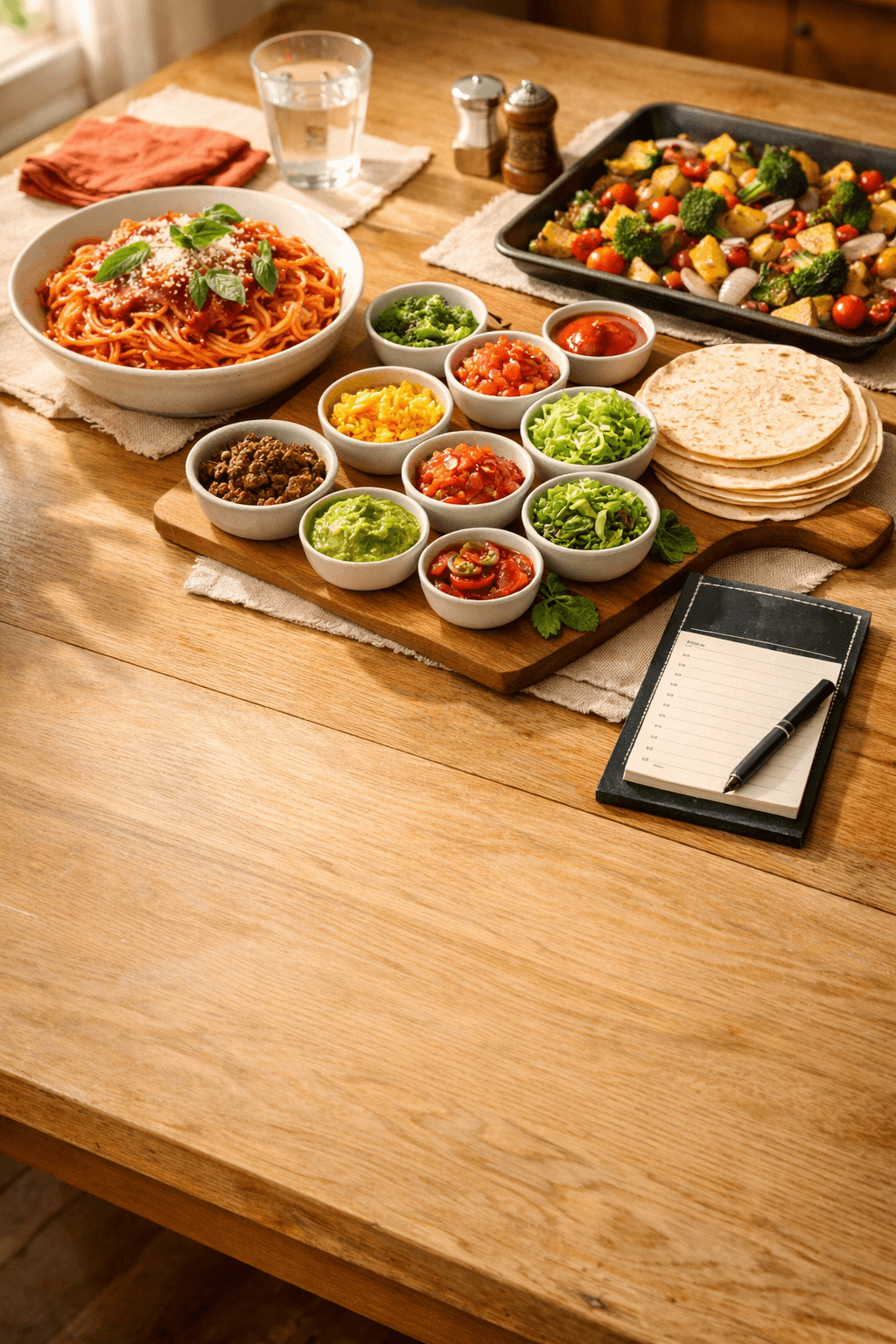
How to Stop Being the Only One Who Decides What's for Dinner
Tired of solo dinner decisions for a family that has opinions? Here's a practical system for getting everyone's input — without chaos or nightly arguments.
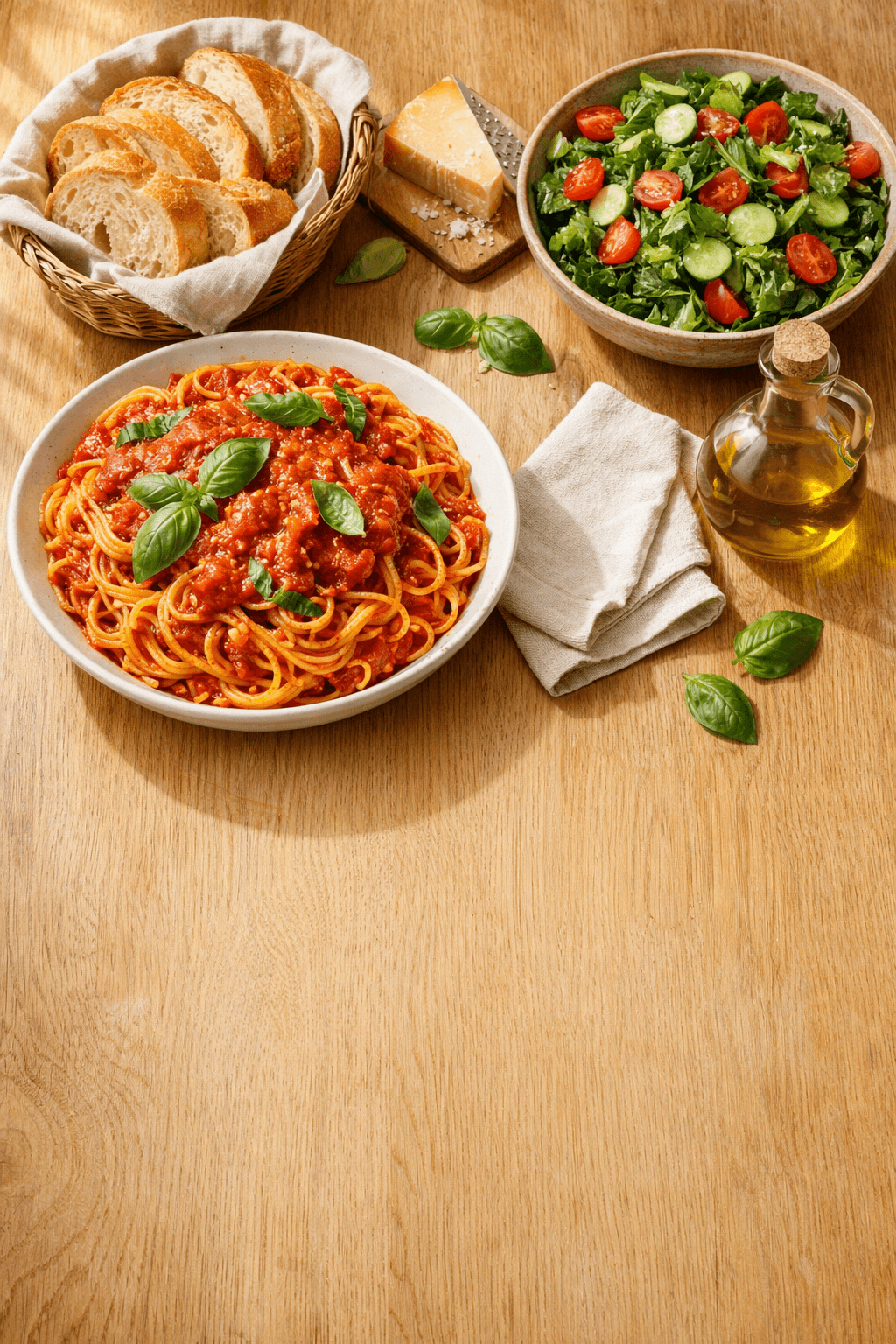
Family Friendly Meals Without the Drama: How to Stop Being the Short-Order Cook
Tired of cooking three dinners a night? This guide shows you a meal planning system that gets your whole family on board before you ever turn on the stove.

HelloFresh Alternative: What to Do Instead for Weekly Family Dinners
Tired of meal kit boxes that don't fit your family? Here's the plan-based HelloFresh alternative that actually works for real family dinners.